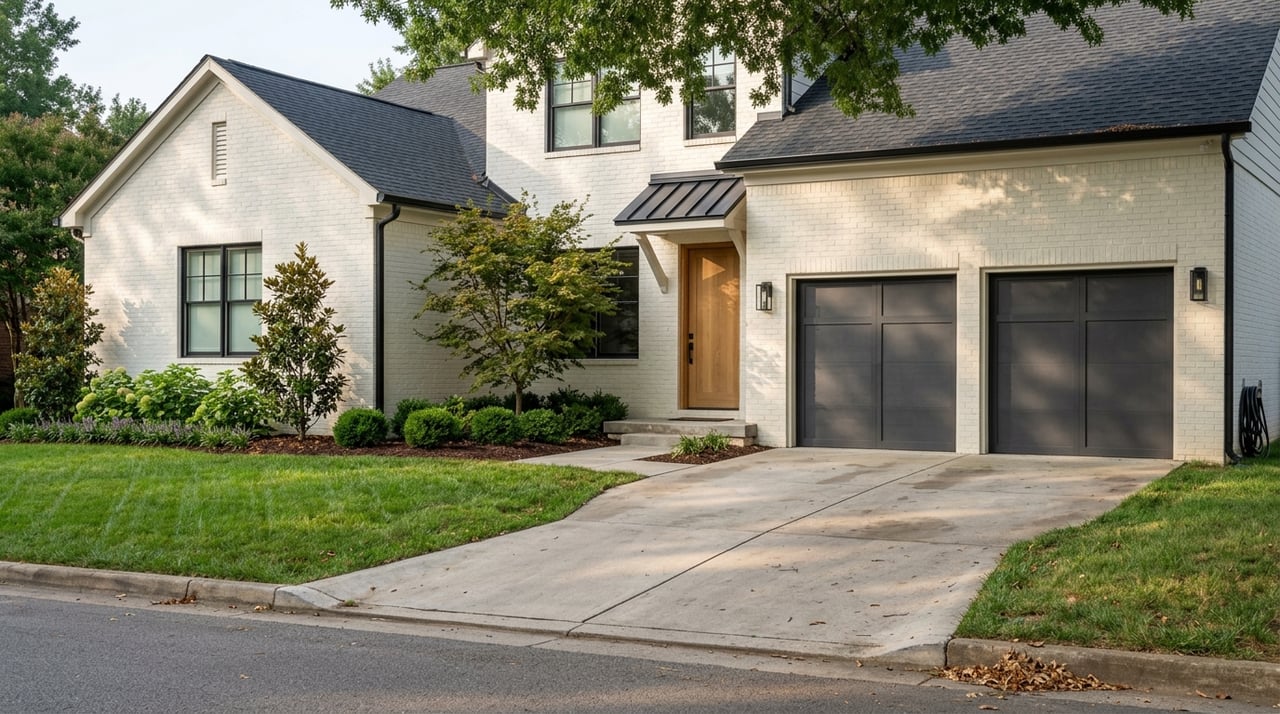
Understanding The Charlotte Housing Market Right Now
May 7, 2026
May 7, 2026
If you have been wondering whether Charlotte is still blazing hot or finally giving buyers and sellers a little room to breathe, the latest numbers point to a market that feels more balanced than frantic. That can be good news if you are trying to make a smart move without feeling rushed into the wrong decision. Right now, Charlotte is showing more inventory, a slower pace, and mostly steady pricing, which means strategy matters more than guesswork. Let’s dive in.
As of the March 2026 City of Charlotte report, the median sales price was $430,000. The city had 2,918 homes for sale, 2.9 months of supply, 55 days on market until sale, 67 cumulative days on market until sale, and sellers received 96.5% of original list price on average.
Those numbers paint a picture of a market that is still active, but not nearly as intense as the peak frenzy years. Homes are selling, buyers are writing offers, and sellers still have opportunity, but the market is asking for more patience and better pricing discipline.
The biggest shift so far this year is inventory growth. The city had 2,407 homes for sale in January, 2,640 in February, and 2,918 in March, while months of supply climbed from 2.4 to 2.6 to 2.9.
At the same time, demand has been active but has not kept pace with the jump in supply. New listings rose from 1,190 in January to 1,841 in March, while pending sales increased from 964 to 1,348 over the same period. In simple terms, buyers have more options than they did earlier this year.
Through March 2026 year to date, closed sales in the city were down 8.8% from the same period last year. New listings were up 5.5%, pending sales were up 1.0%, and months of supply was up 20.8% to 2.9.
The short answer is not broadly. At the city level, the median sales price moved from $410,000 in January to $420,000 in February to $430,000 in March.
Year to date through March, the city’s median sales price was $420,000, which was flat compared with the same period in 2025. That suggests prices have been relatively steady, even as the market has slowed and inventory has improved.
The average sales price tells a slightly different story. It was down 3.0% year to date to $560,461, but average price can shift more based on the mix of homes sold. The more reliable takeaway for most consumers is that Charlotte’s median pricing has remained fairly stable rather than showing a broad decline.
Charlotte still shows signs of seller support, but it is no longer a one-sided market. With 2.9 months of supply, the city remains below a fully balanced market, yet buyers clearly have more leverage than they did when inventory was tighter.
You can also see that shift in the percentage of original list price received. In January, sellers received 95.0% of original list price on average, 95.3% in February, and 96.5% in March. Year to date, that figure was 95.7%, down from 96.7% a year earlier.
That does not mean sellers are losing control. It means the market is rewarding homes that are priced well, prepared well, and marketed well, while giving buyers a little more room to negotiate when a listing misses the mark.
Homes in Charlotte are taking longer to sell than they were a year ago. In March 2026, the city’s days on market until sale was 55, and cumulative days on market until sale was 67.
For year-to-date comparisons, city days on market until sale averaged 62 days, up from 50 during the same period last year. Cumulative days on market averaged 72, up from 57 a year earlier.
That slower timeline matters if you are planning a move. If you are selling, it is wise to prepare for a process that may take longer than the stories you heard from the ultra-fast pandemic market. If you are buying, you may have a bit more time to evaluate your options, though well-priced homes can still move quickly.
If you are buying in Charlotte, this market offers more breathing room than many buyers have seen in recent years. More inventory means you may have a better chance to compare homes, negotiate terms, and avoid rushing into a decision just because choices feel limited.
That said, more breathing room does not mean no competition. Spring activity has picked up, and the broader Charlotte region showed stronger contract activity in late April. In the weekly report current as of April 27, 2026, inventory was up 13.2% to 11,713, new listings were up 29.7% year over year, and pending sales were up 20.2% for the week ending April 18.
For buyers, the best approach is to stay prepared without acting panicked. A strong plan, clear budget, and quick decision-making still matter when a home is well-priced and well-presented.
If you are selling, this is a market where pricing accuracy matters more than hype. Buyers have more choices, and homes are taking longer to sell, so the first impression matters.
The numbers support a more strategic listing approach. When homes are averaging 96.5% of original list price in March and taking 55 days on market until sale, overpricing can make it harder to hold attention once your home goes live.
This is where strong presentation and thoughtful positioning can make a real difference. In a market with more options, buyers notice the homes that feel move-in ready, visually polished, and correctly priced from day one.
One important note is that City of Charlotte data is not the same as the broader Charlotte region data. Canopy’s regional reports include 12 counties in North Carolina and 4 counties in South Carolina, so those numbers should not be used as a direct substitute for the city itself.
For example, the broader region reported a March median sales price of $399,000, 3.1 months of supply, 63 days on market, and 95.6% of original list price received. Those figures are useful for understanding wider trends, but they reflect a larger geography and different housing mix than Charlotte city limits.
If you are making a decision about buying or selling in Charlotte, city-level data is usually the more relevant starting point. Regional trends can add context, but local pricing and timing should drive the final strategy.
The clearest way to describe Charlotte right now is this: the market is more normalized, more negotiable, and more dependent on strategy than it was a year or two ago. Inventory is up, homes are taking longer to sell, and prices are moving modestly rather than sharply.
That is often a healthier environment for both sides. Buyers can be more thoughtful, and sellers can still succeed when they lead with realistic pricing, strong presentation, and a clear plan.
Whether you are buying your first home, moving across the Charlotte area, or preparing to list, the best results usually come from understanding what the numbers actually say instead of relying on outdated headlines. If you want calm, data-backed guidance for your next move in Charlotte or across Western North Carolina, connect with Hannah Fox for a boutique experience built around strategy, communication, and strong results.
Stay up to date on the latest real estate trends.




Whether buying, selling, or investing, our team provides personalized strategies, local market insight, and dedicated support to help you achieve your real estate goals in Hickory and beyond.