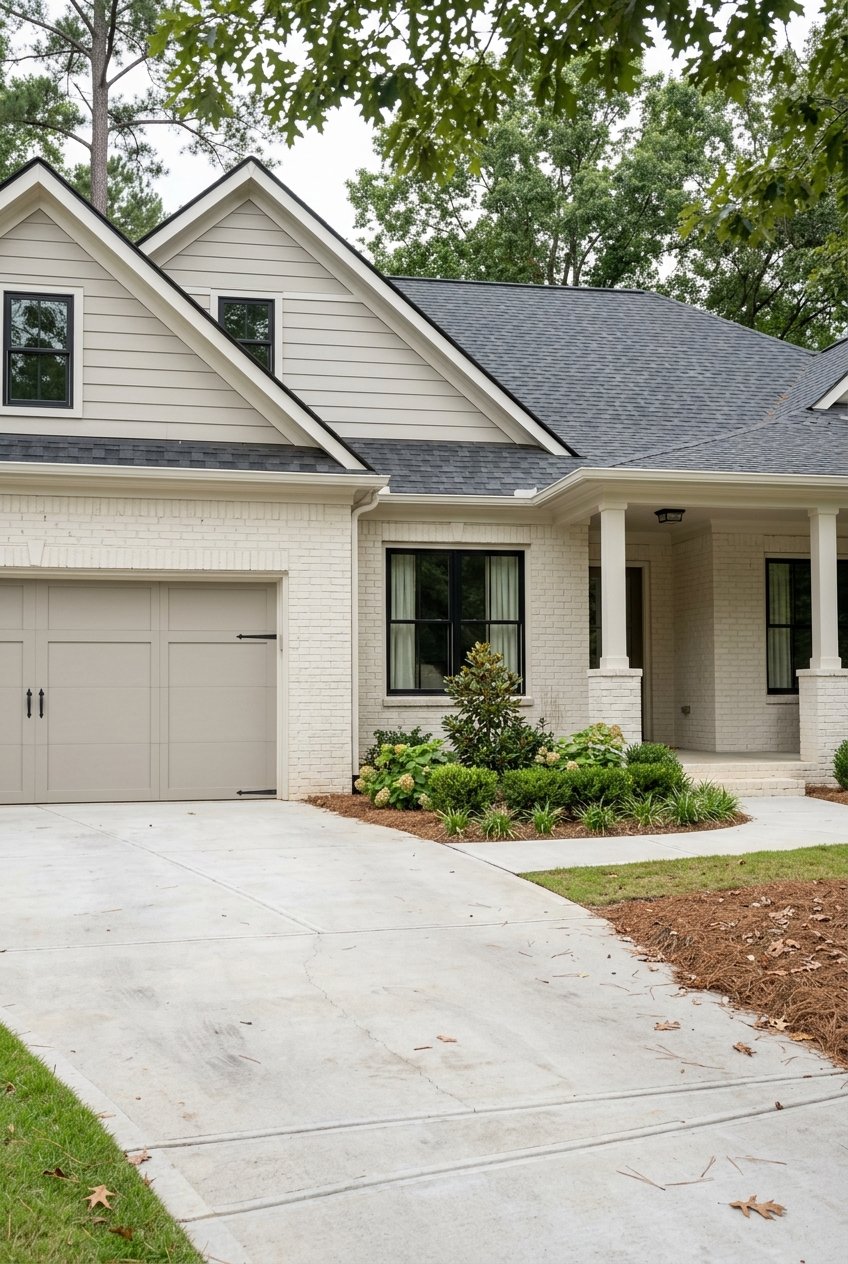
From Pre-Approval To Closing On A Charlotte Home
July 2, 2026
July 2, 2026
Buying a home in Charlotte can feel exciting right up until the process starts moving fast. Between pre-approval, touring homes, writing an offer, and getting to the closing table, it is easy to feel like you are making major decisions on a tight timeline. The good news is that a clear plan can take a lot of the stress out of the experience. This guide walks you through what to expect when buying a Charlotte home, from your first lender conversation to closing day in Mecklenburg County. Let’s dive in.
If you are buying in Charlotte, preparation matters because the market is active, even though it is more balanced than it was during the peak pandemic years. In May 2026, Mecklenburg County had 4,290 homes for sale, 3.3 months of supply, a median sales price of $469,000, and homes averaged 37 days on market. In the City of Charlotte, homes averaged 38 days on market and sold for 97.2% of original list price.
That means you may have more room to think and negotiate than buyers had a few years ago, but well-priced homes can still move quickly. Detached single-family homes often face tighter conditions than condos and townhomes, which generally offer more inventory and more negotiating room. If you want a smoother experience, it helps to get financially and logistically ready before you start making offers.
A pre-approval letter is one of the first steps in a serious home search. Sellers often want to see one before accepting an offer, and lenders usually check your credit before issuing it. Just as important, a pre-approval helps you understand your likely price range before you fall in love with a home.
It is important to know what pre-approval is and what it is not. A pre-approval is a tentative statement that a lender may lend up to a certain amount, but it is not a guaranteed final loan approval. These letters can also expire in about 30 to 60 days, so timing matters.
If you get pre-approved too early, your letter may expire before you are ready to buy. If you wait too long, you may lose time when the right home hits the market. A smart middle ground is to get pre-approved close to the time you are ready to shop, while still leaving enough time to address any credit or paperwork issues.
Pre-approval is not just about getting a letter. It is also a chance to compare lenders and understand your options. Comparing at least three pre-approvals can help you spot differences in rates, fees, loan terms, and monthly payment structure.
Once you are under contract, official Loan Estimates become even more useful. They make it easier to compare interest rate, points, fees, monthly payment, and whether taxes and insurance are escrowed. You are not locked into the lender who gave your first pre-approval, so it pays to review your choices carefully.
In North Carolina, many buyers now sign a written agreement with their agent before touring homes. This is not something to leave until the offer stage. It is part of the early planning process and gives you a chance to understand how representation works, what services are included, and how fees may be handled.
That conversation is worth having upfront because it creates clarity before the market gets competitive. A strong buyer relationship should feel organized, transparent, and supportive from the beginning. When expectations are clear early, the rest of the process usually feels much more manageable.
Your lender may approve you for more than you actually want to spend. That is why your home search should be built around your comfort level, not just your maximum loan amount. A balanced budget should account for your monthly payment, cash needed for the transaction, and the realities of owning the home after closing.
In May 2026, Canopy estimated that buying the median-priced Mecklenburg County home would require about $121,000 of household income under standard assumptions. That does not mean every buyer needs the same number, but it does show why affordability planning matters. Looking at the full picture early can help you avoid pressure later.
Once you find the right home, the offer stage moves from exciting to very real. In North Carolina, an offer is not a binding contract until there is a written agreement signed by all parties and acceptance has been communicated. Until that happens, you are not officially under contract.
That detail matters because buyers sometimes think a verbal yes means the deal is done. It does not. Clear paperwork, complete signatures, and communicated acceptance are what create a binding agreement.
North Carolina uses a due-diligence system that works differently from the traditional contingency style many buyers expect. Your due-diligence period is the negotiated window of time to investigate the property and move through the transaction details. That can include inspections, appraisal, title work, survey, and loan qualification or application.
During that period, you may terminate the contract for any reason or no reason by written notice before the deadline expires. That flexibility is valuable, but it only protects you if the timeline is long enough to complete the work you need. In a Charlotte purchase, the right due-diligence length depends on the property, your financing, and how quickly inspections and appraisal can be scheduled.
Many buyers ask how much due diligence money they should offer. In North Carolina, the amount is negotiated and can be influenced by market conditions, days on market, the parties’ circumstances, and the length of the due-diligence period. There is no one-size-fits-all number.
The due-diligence fee is paid directly to the seller by the effective date, credited back to you at closing, and is generally non-refundable unless the seller materially breaches the contract or the contract says otherwise. Earnest money is different. If you terminate during the due-diligence period, you typically get the earnest money back, but not the due-diligence fee.
This is one of the biggest areas where buyers can get tripped up. In North Carolina’s standard form, due diligence replaced the older financing-contingency approach. That means a loan denial does not automatically mean you can walk away without risk.
If your due-diligence period has ended and you cannot close, your earnest money may be at risk. That is why it is so important to keep your lender, agent, and timeline aligned from the start. A calm strategy here can protect both your money and your options.
Once you are under contract, inspections usually happen quickly. This is your chance to learn more about the home’s condition and decide whether to move forward as-is, ask for repairs, request concessions, or terminate during due diligence. Timing matters because you want enough room to review findings before your deadline runs out.
Repairs are negotiable, but sellers are not required to agree to your requests. If they do agree, the work must be completed in a good and workmanlike manner before settlement. You also have the right to verify repairs and complete a final walk-through, even after the due-diligence period ends.
This is where steady guidance can make a big difference. A clear plan helps you focus on the issues that matter most instead of getting overwhelmed by every line on an inspection report.
Many buyers think the hard part ends once the offer is accepted. In reality, there is still a full checklist between contract and closing. In the Charlotte region, Canopy reported an average list-to-close timeline of about 90 days in May 2026, which shows why the process starts well before closing day.
During this stretch, your lender finalizes underwriting, the appraisal is completed, title work is reviewed, and your closing figures are prepared. You may also be gathering updated financial documents, responding to lender requests, and confirming any negotiated repairs. A smooth closing usually comes down to staying organized and responding quickly.
North Carolina residential closings are attorney-centered. In practice, licensed North Carolina attorneys handle key parts of the closing process, including reviewing the purchase agreement, examining title, preparing legal documents, handling recordation, and disbursing funds after closing conditions are met.
That makes closing a legal and logistical process, not just a signing appointment. For buyers in Mecklenburg County, the Register of Deeds is the official repository for real property records, including deeds, mortgages, deeds of trust, and related documents. Those records are publicly available, and modern land records are searchable back to March 1990.
Your exact closing costs will depend on your loan, purchase terms, and service providers. One local detail worth knowing is North Carolina conveyance tax. Under state law, the tax rate is $1.00 for each $500 of consideration or fractional part of that amount, and the transferor pays it before the deed is recorded.
Even though buyers do not pay every cost tied to the transfer, this is a good example of why the attorney and recording process matters. There are several moving pieces behind the scenes, and each one has to be completed correctly before the transaction is fully recorded.
Buying a home in Charlotte does not have to feel chaotic. The buyers who usually feel the most confident are the ones who prepare early, understand North Carolina’s contract structure, and build enough time for financing, inspections, and closing steps. In a market where many homes still move at a healthy pace, that kind of preparation can give you both confidence and leverage.
You do not need to know everything on day one. You just need a smart plan, clear communication, and the right guidance at each stage. With the right support, the road from pre-approval to closing can feel much more manageable and a lot less overwhelming.
If you are planning a move in Charlotte and want calm, strategic guidance from the start, Hannah Fox is here to help you navigate each step with clarity and confidence.
Stay up to date on the latest real estate trends.




Whether buying, selling, or investing, our team provides personalized strategies, local market insight, and dedicated support to help you achieve your real estate goals in Hickory and beyond.